


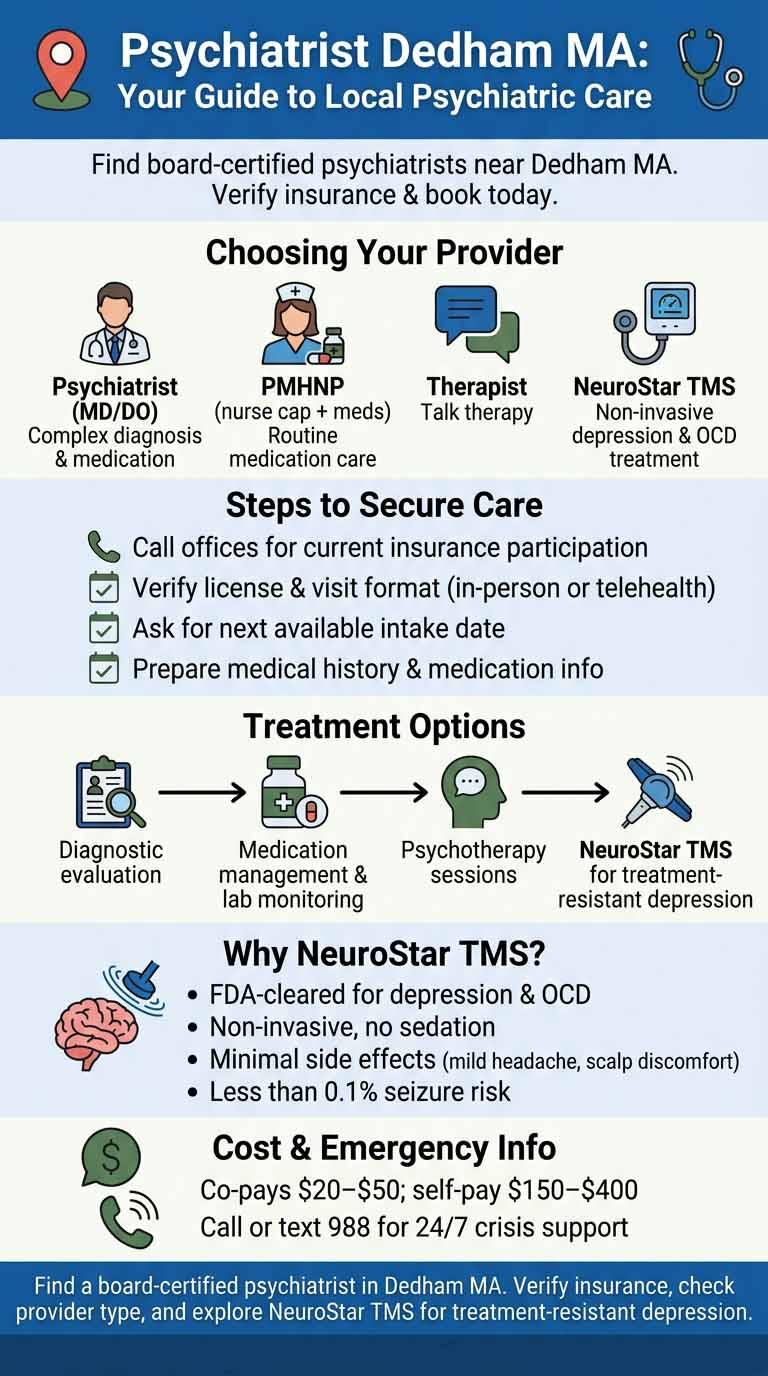
Finding appropriate psychiatric care starts with understanding your clinical needs, treatment goals, insurance requirements, and preferred appointment format. Online provider directories may list clinicians who serve a broad geographic area, but the practice itself may be located in a nearby community or provide care primarily through telepsychiatry.
Onward Psychiatry serves patients from its Norwood office and provides psychiatric evaluations, medication management, and FDA-cleared NeuroStar TMS for appropriate conditions. Understanding provider types, treatment options, insurance participation, and appointment availability can help you prepare for your search and make the initial intake process more efficient.
Key Takeaways
- Direct Office Outreach: Call practice intake directly to confirm insurance coverage. Online databases lag behind network updates.
- Know Your Provider Types: Psychiatrists prescribe medication. Nurse practitioners offer similar services. Therapists provide counseling. Each fills a different role.
- Consider All Options: NeuroStar TMS is a non-invasive alternative for depression when medications don’t work.
What to Know Before Choosing Psychiatric Care
A successful search for psychiatric care begins with identifying your primary concerns, previous diagnoses, treatment history, and practical requirements. Having this information ready can make conversations with prospective practices more productive.
Directly contacting a practice is also one of the most reliable ways to confirm current appointment availability, accepted insurance plans, and whether services are offered in person, virtually, or through a combination of both.
Before scheduling an initial evaluation, consider the following:
- Verify Licensing: Confirm that the clinician holds an active professional license in Massachusetts.
- Confirm Visit Format: Ask whether appointments are available in person, through telepsychiatry, or through a hybrid model.
- Check Insurance: Confirm that the practice participates in your specific health insurance plan and network.
- Ask About Availability: Request information about the next available intake evaluation rather than relying only on general availability listings.
- Clarify Services: Determine whether the practice provides psychiatric evaluations, medication management, psychotherapy, or specialized treatments.
Taking these steps can help reduce delays caused by outdated directory information or services that do not match your needs. It can also help you identify practices that are appropriate for your diagnosis, treatment goals, and preferred type of care.
Which Type of Mental Health Provider Is Right for You?
Psychiatric care can involve several types of professionals, including psychiatrists, psychiatric mental health nurse practitioners (PMHNPs), psychologists, and therapists. Each provider has a different scope of practice and may contribute to different parts of a treatment plan.
Psychiatrists are medical doctors who complete medical school and specialized residency training in psychiatry. Their medical training allows them to evaluate psychiatric symptoms, diagnose mental health conditions, prescribe medications, and consider medical factors that may contribute to psychiatric symptoms.
Psychiatric mental health nurse practitioners are advanced practice nurses with specialized education in psychiatric assessment and treatment. Depending on state regulations and individual credentials, PMHNPs may evaluate patients, diagnose psychiatric conditions, prescribe medications, and provide ongoing medication management.
Psychologists and psychotherapists generally focus on psychological assessment, psychotherapy, behavioral interventions, and coping strategies. They may work alongside medical prescribers when a patient’s treatment plan includes both medication and structured therapy.
| Provider / Care Type | Primary Clinical Focus | May Be Appropriate For |
| Psychiatrist (MD or DO) | Psychiatric evaluation, diagnosis, medical psychiatry, and medication management | Complex symptoms, diagnostic questions, medication treatment, or psychiatric conditions requiring physician care |
| PMHNP | Psychiatric assessment, diagnosis, and medication management | Ongoing medication care, symptom monitoring, and psychiatric treatment |
| Psychotherapist / Psychologist | Psychotherapy, behavioral interventions, and coping strategies | Emotional concerns, behavioral patterns, stress, and psychological support |
| Specialty TMS Care | Office-based, non-invasive neuromodulation | Certain patients with major depressive disorder or OCD who meet clinical criteria |
The appropriate provider depends on your symptoms, diagnosis, treatment history, and the type of support you need. In some cases, psychiatric medication management and psychotherapy may be coordinated as part of the same overall treatment plan.
How Can You Find Care That Matches Your Clinical Needs?
Choosing psychiatric care becomes easier when you explain your symptoms, previous treatment, diagnosis, age group, and treatment goals during the initial inquiry. Different practices may have different areas of clinical focus, so asking specific questions can help determine whether a provider is appropriate for your situation.
For example, patients seeking care for major depressive disorder, obsessive-compulsive disorder (OCD), anxiety, or other psychiatric conditions may want to ask whether the practice routinely treats their specific condition.
Treatment history can also be important. If standard antidepressant treatment has not provided sufficient relief, a clinician may discuss additional options based on the patient’s diagnosis, previous medications, current symptoms, and overall medical history.
Onward Psychiatry provides FDA-cleared NeuroStar TMS for appropriate patients with major depressive disorder and adult OCD, as well as adolescents aged 15 to 21 with major depression. TMS is a non-invasive treatment that uses magnetic stimulation rather than systemic medication.
Clinical research has also examined TMS as a treatment option for treatment-resistant depression. A study published in the Turkish Journal of Medical Sciences reported clinically significant improvements associated with transcranial magnetic stimulation in treatment-resistant depression.
Before contacting a practice, prepare a brief summary of your primary diagnosis or symptoms, current medications, previous psychiatric treatments, and the type of care you are seeking. This information can help the intake team determine which services may be appropriate.
What Treatment Options May Be Part of Your Care Plan?
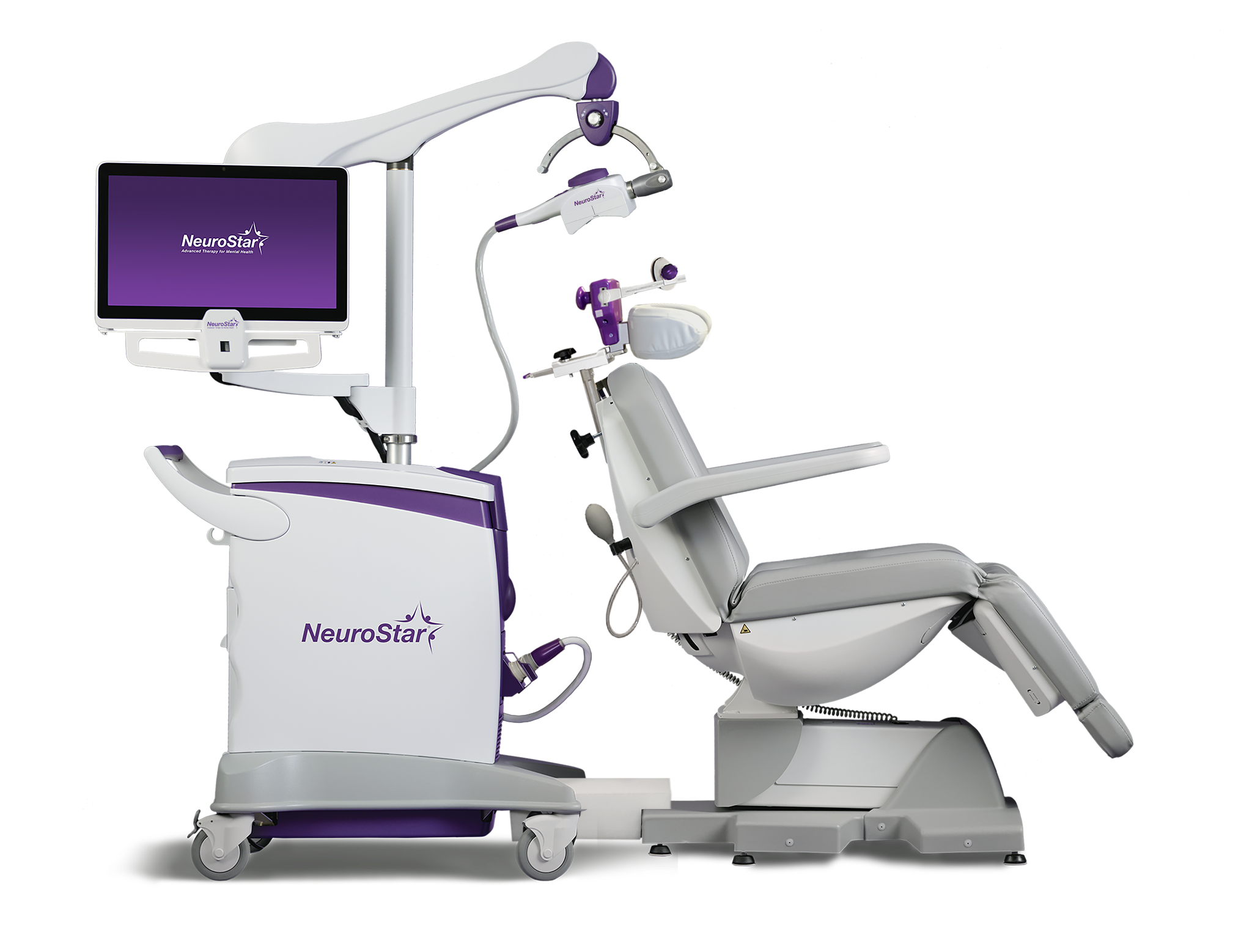
Psychiatric treatment often begins with a clinical evaluation and may include medication management, psychotherapy, or specialized interventions depending on the individual’s needs. The treatment plan should take into account medical history, current symptoms, previous treatment response, and patient goals.
Medication management may involve starting, adjusting, or monitoring psychiatric medications while tracking symptom changes and potential side effects. Follow-up visits allow the clinician to determine whether the current approach remains appropriate or needs to be modified.
Psychotherapy uses structured therapeutic approaches to address thoughts, behaviors, emotions, relationships, and coping skills. Depending on the patient’s needs, therapy may be provided independently or alongside psychiatric medication management.
For individuals with treatment-resistant depression who meet appropriate clinical criteria, transcranial magnetic stimulation may provide another treatment option. Onward Psychiatry offers FDA-cleared NeuroStar TMS as part of its psychiatric treatment services. Learn more about TMS for depression
TMS is performed while the patient remains awake and does not require general anesthesia or sedation. Treatment schedules and the number of sessions depend on the specific clinical protocol and the patient’s treatment plan.
The cost of psychiatric care can vary based on insurance coverage, deductibles, copayments, and whether services are provided on a self-pay basis. Confirming these details directly with the practice before an initial appointment can help you understand potential out-of-pocket expenses.
If you or someone you know is experiencing a mental health crisis or thoughts of self-harm, call or text 988 to reach the Suicide & Crisis Lifeline for free, confidential support available 24/7.
How Do Medication, Therapy, and TMS Differ?
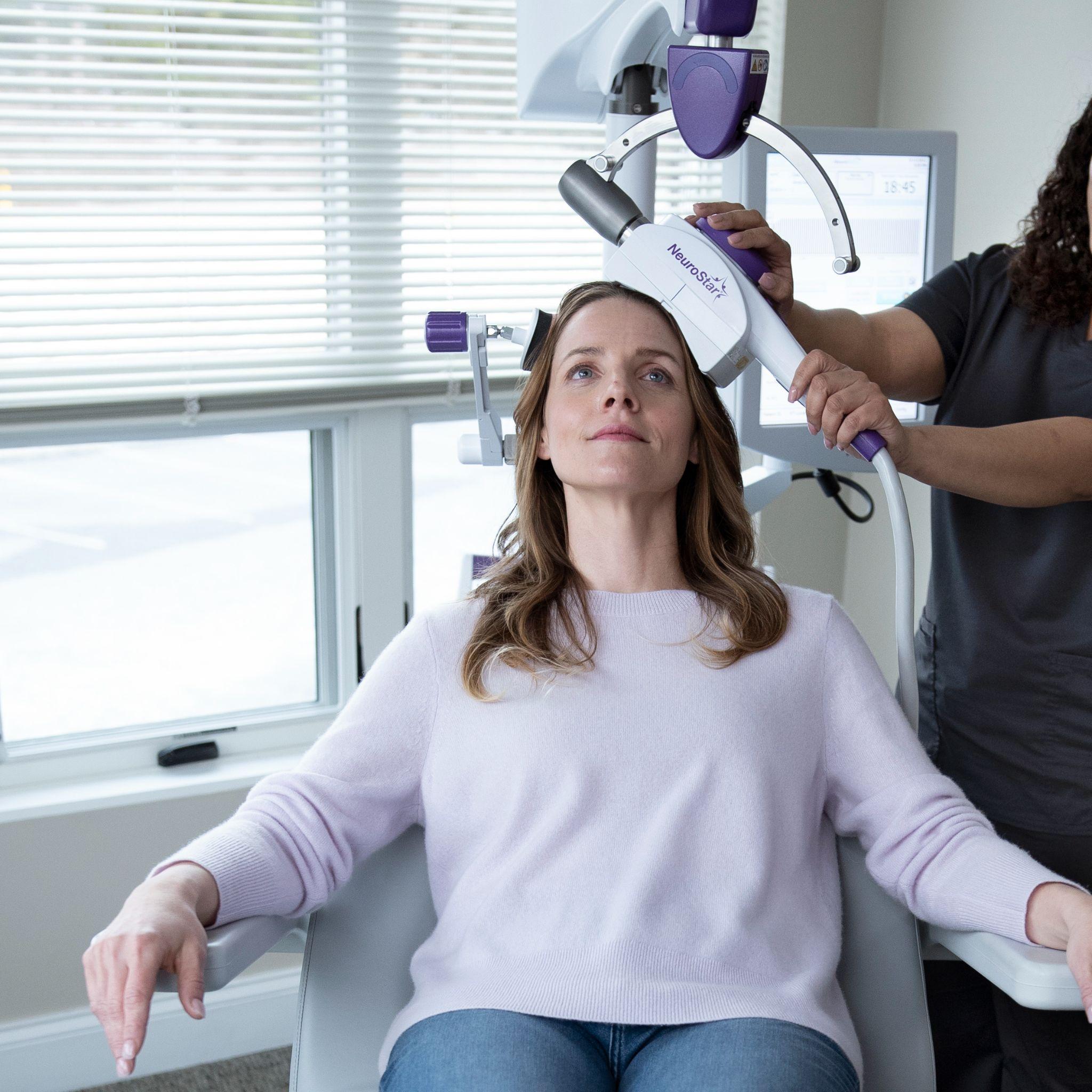
Different psychiatric treatments address mental health concerns through different clinical approaches. The appropriate option depends on the diagnosis, symptom severity, treatment history, medical considerations, and goals established during psychiatric evaluation.
Medication management uses psychiatric medications to address symptoms and may require ongoing follow-up to monitor response, tolerability, and necessary adjustments.
Psychotherapy focuses on psychological and behavioral factors through structured sessions with a qualified mental health professional. It may help patients develop coping strategies, address behavioral patterns, and work through emotional concerns.
NeuroStar TMS uses targeted magnetic stimulation to influence specific brain circuits associated with psychiatric symptoms. It is delivered in an outpatient setting and does not involve systemic medication.
A psychiatric evaluation helps determine which approaches may be appropriate. According to clinical guidance from the National Center for Biotechnology Information, psychiatric assessment includes a clinical interview, medical history, and mental status examination to support diagnostic evaluation and treatment planning.
Some patients may receive one treatment approach, while others may benefit from coordinated care involving medication management, psychotherapy, or specialized treatment.
How Can You Choose Psychiatric Care for Ongoing Support?
Choosing the right psychiatric care involves more than just booking the earliest opening. Look for a practice whose clinical focus, visit formats, insurance participation, and treatment options align with your goals. Before scheduling an intake, ensure the provider has experience treating your specific symptoms, offers the services you need, such as comprehensive evaluations, medication management, or specialized interventions, and can accommodate your preferred care format, whether in person or via telepsychiatry.
Onward Psychiatry provides psychiatric evaluations, medication management, and FDA-cleared NeuroStar TMS from its Norwood practice, alongside flexible telepsychiatry options across Massachusetts. Contact Onward Psychiatry today to check insurance coverage and schedule your initial consultation.
FAQ
How do I find a qualified psychiatrist near me if local appointments are limited?
You can broaden your search by considering psychiatrists, PMHNPs, telepsychiatry, and practices in nearby communities. You can also ask about cancellation lists or upcoming intake openings when contacting a practice directly.
What qualifications should I look for in a psychiatric provider?
Look for an appropriately licensed clinician with experience treating your specific symptoms or diagnosis. You should also confirm the provider’s scope of practice, accepted insurance plans, appointment format, and availability.
What psychiatric services may be available?
Psychiatric practices may provide diagnostic evaluations, medication management, psychotherapy, or specialized treatments such as FDA-cleared NeuroStar TMS. Available services vary by practice and patient eligibility.
What should I discuss before scheduling an intake appointment?
Be prepared to discuss your primary symptoms, previous diagnoses, current medications, treatment history, and goals for care. You can also ask about appointment format, insurance participation, expected costs, and follow-up scheduling.
Who may qualify for specialized treatment such as TMS?
Eligibility for TMS depends on the individual’s diagnosis, treatment history, current symptoms, and clinical evaluation. A qualified psychiatric provider can determine whether FDA-cleared NeuroStar TMS may be appropriate based on the patient’s circumstances.
Sources & References
- https://www.ncbi.nlm.nih.gov/books/NBK546682/
- https://journals.tubitak.gov.tr/medical/vol52/iss4/56/
Related Services
- https://www.onwardpsychiatry.com/contact-us/
- https://www.onwardpsychiatry.com/tms-therapy-for-depression/
- https://www.onwardpsychiatry.com/our-services/