

Depression is best supported through steady contact, practical assistance, respectful listening, and encouragement toward professional care. It is a medical condition that can affect sleep, concentration, relationships, and daily functioning. Support should reduce isolation without taking away a person’s independence.
A calm conversation, help with daily tasks, and encouragement to seek treatment can provide meaningful support. Pressure, criticism, or forced solutions may make communication harder.
Each person’s needs can differ, so support should match the severity of symptoms and current treatment. Learning how to help someone with depression can make support more thoughtful and appropriate. Keep reading to learn practical ways to provide support safely.
Key Takeaways
- Listen without judgment: Validate their feelings without trying to fix everything.
- Offer practical help: Help with meals, appointments, transportation, or routines.
- Know when to act: Encourage professional care and respond urgently to suicide warning signs.
How Can Someone Support A Person With Depression?
The most helpful support usually combines patience, listening, practical assistance, and encouragement to seek professional care. Depression can affect energy, concentration, sleep, appetite, motivation, and daily responsibilities, so a person may struggle with tasks that once felt routine.
Support should not become control. A family member or friend can offer help while allowing the person with depression to make decisions about treatment and daily life.
“You can’t fix someone’s depression, but your support and understanding can help.” – Mayo Clinic
A simple conversation can begin with a direct but gentle statement:
“It seems like things have been difficult lately. Is there a way to help?”
The person may want to talk. They may also prefer quiet company or practical help. Either response can be respected.
How Can Someone Encourage Professional Treatment Without Pressure?
Professional treatment should be presented as an option for support rather than a demand. A person with depression may avoid treatment because of low energy, previous treatment experiences, concerns about medication, transportation problems, cost, or uncertainty about whether treatment will help.
“Offer support, understanding, patience, and encouragement.” – National Institute of Mental Health (NIMH)
A supporter can reduce practical barriers. For example, help with finding a clinician, arranging transportation, preparing questions for an appointment, or sitting nearby while an appointment is scheduled may make treatment easier to access.
The person should still remain involved in treatment decisions.
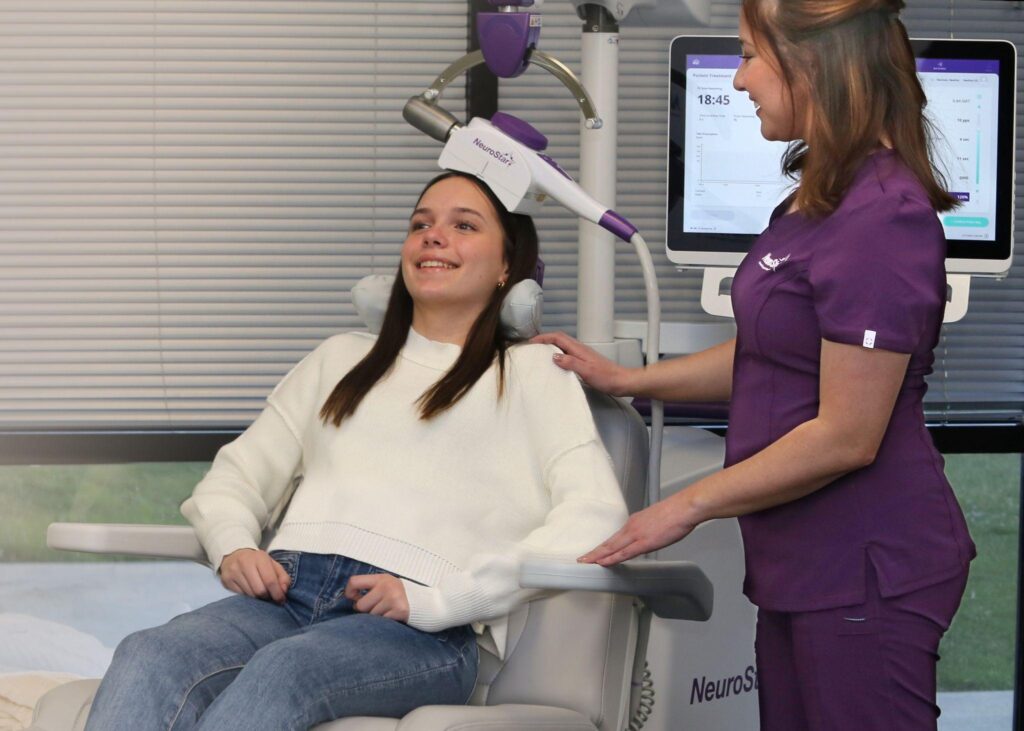
Treatment for depression can include psychotherapy, medication, or a combination of approaches. For some patients whose depression has not improved enough with previous treatment, brain stimulation treatments such as TMS may also be considered by a qualified clinician.
Onward Psychiatry provides office-based NeuroStar TMS therapy for appropriate patients with major depressive disorder (MDD), obsessive-compulsive disorder (OCD), and anxious depression.
NeuroStar is an FDA-cleared TMS system for specific clinical indications. Treatment requires an individual clinical evaluation and is not appropriate for every person with depression.
What Practical Help Can Someone Offer?

Practical assistance can reduce the daily workload while preserving the person’s independence. Small tasks may become difficult during a depressive episode, especially when energy and concentration are low.
For people whose symptoms affect daily functioning, depression treatment may provide additional support alongside help from family and friends.
Useful support can include:
- Preparing a meal
- Picking up groceries
- Providing transportation
- Helping with laundry
- Sitting together quietly
- Helping organize an appointment
- Inviting the person for a short walk
Specific offers are often easier to accept than broad questions. “Would dinner at 6 p.m. help?” gives the person a clear choice.
| Supportive action | Why it can help |
| Prepare a meal | Reduces daily demands |
| Provide transportation | Removes an access barrier |
| Help schedule care | Reduces planning demands |
| Offer quiet company | Reduces isolation |
| Send a short message | Maintains contact without pressure |
The purpose is not to take over every responsibility. It is to provide enough practical support while the person receives appropriate care.
How Can Someone Recognize A Depression Crisis?
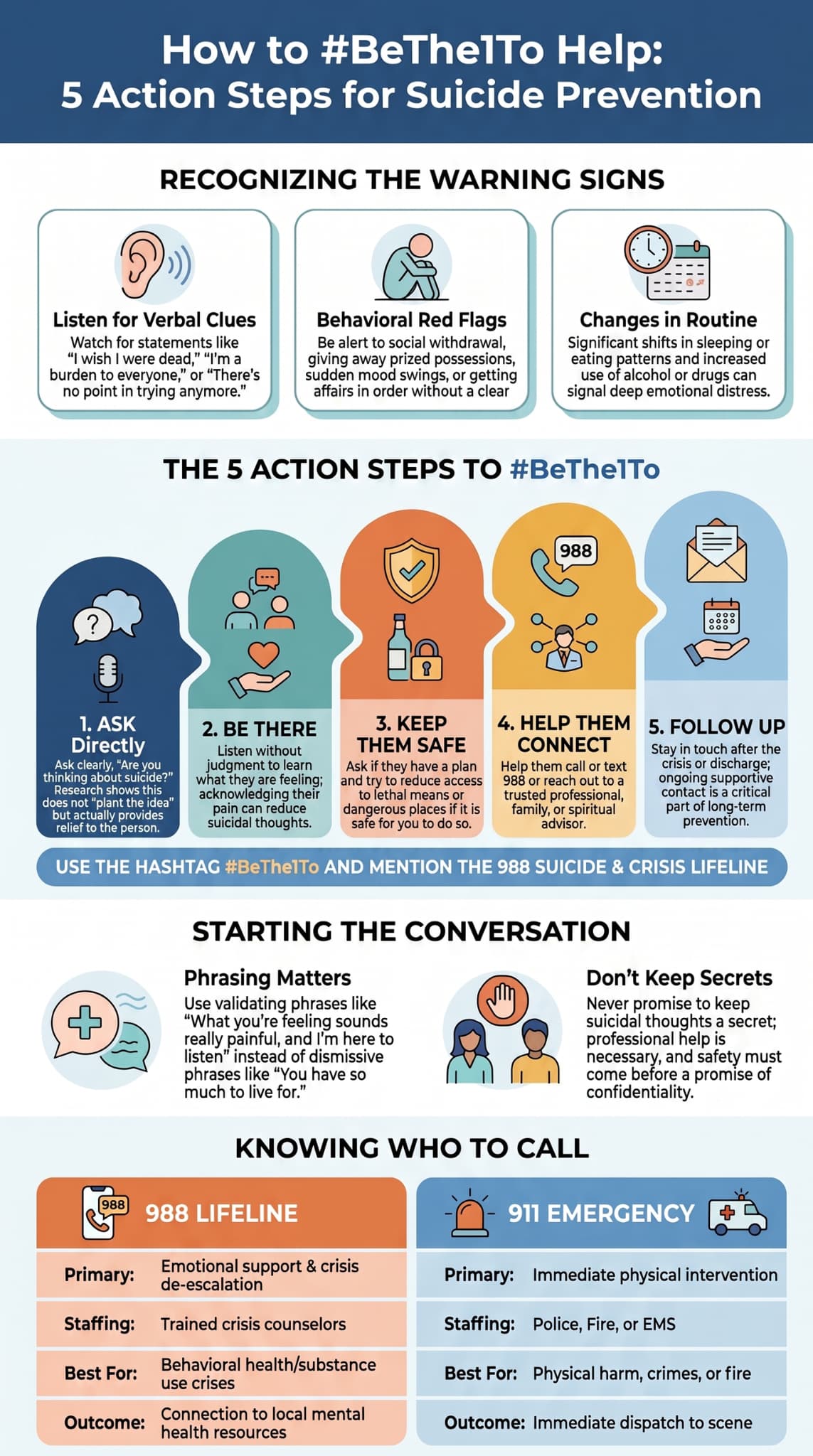
A possible suicide risk requires a different response from ordinary sadness or withdrawal. Warning signs can include talking about death or suicide, expressing hopelessness, saying goodbye, giving away important possessions, making a suicide plan, or showing sudden dangerous behavior.
A direct question is appropriate when these signs appear.
Ask, “Are you thinking about suicide?”
Asking directly does not create suicidal thoughts. It gives the person an opportunity to answer honestly and allows the supporter to seek appropriate help.
If someone has an immediate suicide plan or is in immediate danger, the supporter should seek emergency help and avoid leaving the person alone when it is safe to remain with them.
In the United States, call or text 988 for the Suicide & Crisis Lifeline. Call 911 for an immediate, life-threatening emergency.
How Can A Supporter Prevent Caregiver Burnout?
Supporting someone with depression can become tiring when one person takes on every task. Over time, sleep, work, family life, and physical health can suffer too. That is why the supporter needs boundaries as well.
No one can provide care every hour of the day. A supporter also cannot replace a doctor, therapist, or other mental health professional.
Sharing the work can help. One family member might handle transportation, while another helps with meals or household tasks. A clinician can manage treatment and monitor symptoms, while mental health services in Massachusetts can provide access to psychotherapy, medication management, and other forms of professional care.
The supporter still needs time away from caregiving. That is not selfish. It helps prevent exhaustion from building into resentment or burnout.
What Boundaries Can A Supporter Set?
Clear boundaries can protect both people. A supporter can decide when phone calls, visits, transportation, or financial help are available.
For example, evening calls may be available until 9 p.m., but overnight monitoring may not be possible. A calm explanation can make that limit easier to understand.
Medical boundaries matter too. A spouse or family member can help with appointments, but medication changes should be handled by the prescribing clinician.
How Can Someone Handle Difficult Conversations About Depression?

Starting difficult conversations is easier when the discussion focuses on clear changes rather than blame. A supporter can mention changes in sleep, eating, work, social activity, or daily tasks.
For example, concern about missed meals is more useful than saying someone is “not trying.” Specific observations give the other person a chance to explain what is happening.
The conversation also needs room for silence. A person with depression may not have an answer right away, and pushing for one can make the discussion harder.
If the first conversation does not lead to treatment, the subject can be raised again later. There is no need to settle every concern in one discussion.
What If The Person Becomes Angry?
Anger can make a difficult conversation harder, but it does not always mean the subject should never be discussed again. A supporter can pause the conversation and return to it after emotions have settled.
The supporter should avoid arguing about whether the person has depression. Only a qualified clinician can make a diagnosis.
Focus on what has been observed instead. Changes in sleep, appetite, work, social contact, or daily functioning are useful details to share with a clinician. For people seeking care locally, psychiatric care in Norwood, MA can provide access to psychiatric evaluation and treatment options in an office-based setting.
Respect matters on both sides.
How Can Someone Help When Treatment Is Refused?
Treatment refusal help should begin with understanding why treatment feels difficult. The reason may involve medication side effects, cost, transportation, fear, stigma, or a previous bad experience with health care.
One direct question can open the discussion: “What makes treatment difficult right now?”
The answer can point to a practical solution. Transportation can sometimes be arranged. A medication concern can be discussed with a prescribing clinician. A previous therapy experience does not mean every form of therapy will feel the same.
A supporter can also help with scheduling. Making a phone call, finding appointment information, or providing a ride may remove a barrier.
Repeated pressure is less useful. The person should be encouraged to seek care while remaining involved in decisions about treatment.
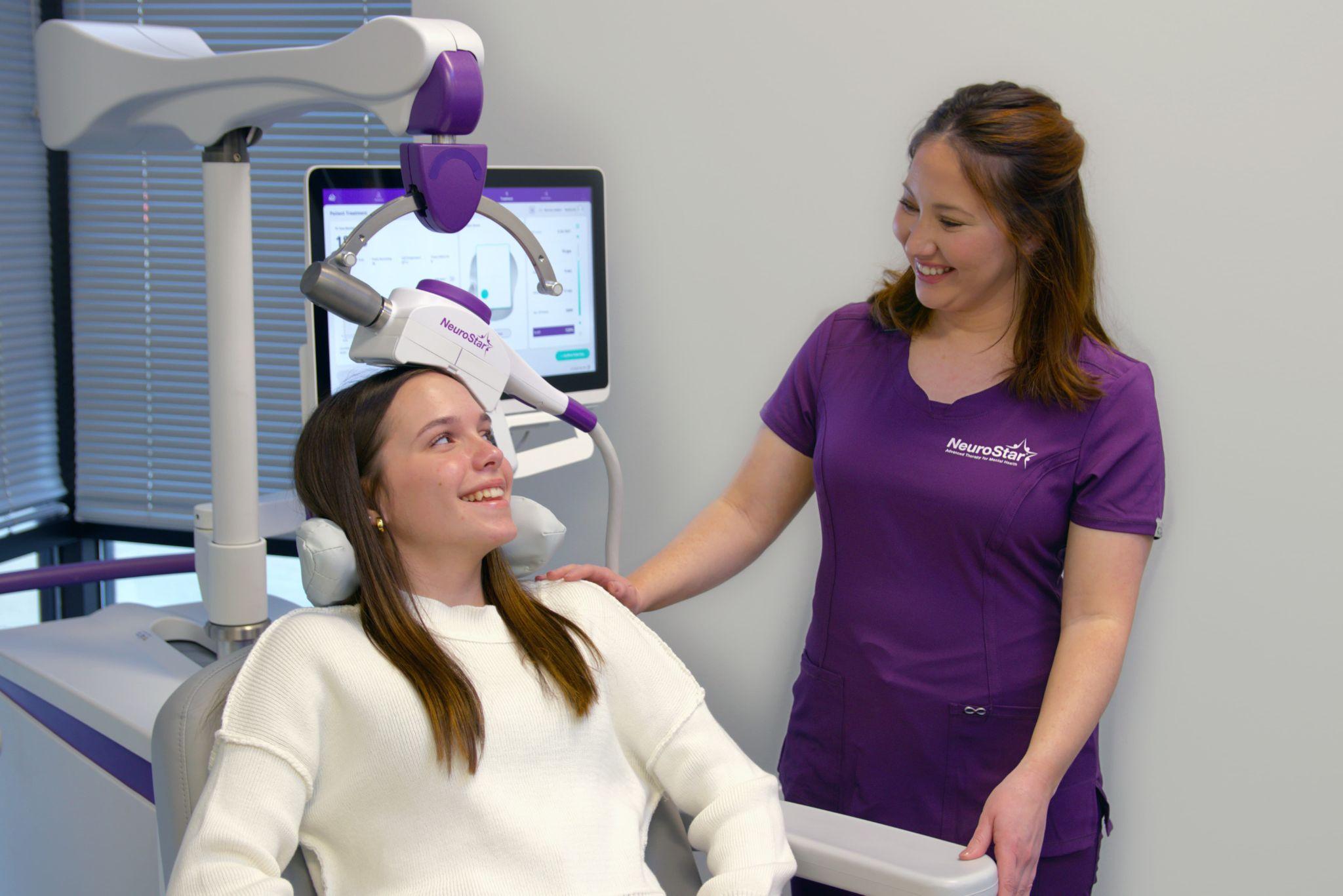
TMS may be one treatment option for eligible patients with depression that has not improved enough with previous treatment. Onward Psychiatry provides NeuroStar TMS therapy, an FDA-cleared device-based treatment for specific clinical indications, including MDD, OCD, and anxious depression.
TMS is not appropriate for every patient. A qualified clinician needs to review the person’s diagnosis, treatment history, medical history, and safety factors before treatment. Certain conductive or magnetic implants near the treatment area and some neurological conditions may also make TMS inappropriate.
How To Help Someone With Depression Without Pushing Them
For individuals considering TMS, a clinical evaluation can help determine whether an FDA-cleared treatment may be appropriate based on symptoms, treatment history, and relevant medical factors.
For those seeking additional mental health support, Onward Psychiatry provides personalized psychiatric care, psychotherapy, medication management, and NeuroStar TMS for eligible patients with conditions such as depression and OCD. Its in-person and telehealth options provide flexibility while allowing treatment to be tailored to each patient’s clinical needs.
If you or someone you know is in distress or experiencing a mental health crisis, please call or text 988 to reach the Suicide & Crisis Lifeline for free, confidential, 24/7 support.
FAQs
How Can Someone Support A Depressed Spouse?
Supporting a depressed spouse involves listening, helping with practical responsibilities, and encouraging appropriate professional treatment without taking control of medical decisions. A spouse can provide consistent support while keeping healthy boundaries around time, finances, and personal responsibilities.
How Should Someone Start A Difficult Conversation About Depression?
A difficult conversation should begin with specific observations and concern rather than criticism or a diagnosis. Mentioning changes in sleep, eating, work, or social contact can create a clearer starting point for discussion.
What If Someone Refuses Depression Treatment?
Treatment refusal should be explored calmly because the reason may involve side effects, cost, fear, transportation, or a previous negative health care experience. A supporter can help address practical barriers while leaving treatment decisions to the person and qualified clinicians.
How Can Depression Caregiver Burnout Be Prevented?
Depression caregiver burnout can be reduced by sharing responsibilities, setting clear boundaries, and maintaining personal health and relationships. One person should not be expected to provide continuous medical supervision or replace professional care.
When Should A Supporter Seek Emergency Help?
Emergency help should be sought when a person has an immediate suicide plan, is in immediate danger, or cannot remain safe. In the United States, call or text 988, or call 911 for an immediate life-threatening emergency.